
LLM (大規模言語モデル) · AGENTS (エージェント) · EVALS (評価)

Production LLM (本番向けLLM) と agentic systems (エージェント型システム)

Tool use (ツール利用)、structured outputs (構造化出力)、offline evals (オフライン評価)、telemetry (テレメトリ) で、本番トラフィック下でも model behavior (モデル挙動) を測定し、運用可能に保ちます。

About Sohuji (ソウフジ)

Studio

Product and platform engineering (プラットフォームエンジニアリング) for AI-led operations

Sohuji (ソウフジ) is a Japan-based practice shipping full-stack software, production LLM (大規模言語モデル) systems, and n8n-backed automation—with observability (可観測性), contracts (契約・インターフェース定義), and release discipline (リリース規律) expected of core infrastructure.

  • Customer and internal web apps: performance, accessibility (アクセシビリティ), and maintainable frontends aligned to your design system (デザインシステム).
  • Agentic (エージェント型) and RAG (検索拡張生成) workloads with eval harnesses (評価ハーネス), tool schemas (ツールスキーマ), and guardrails (ガードレール) suited to support, GTM, and ops.
  • n8n at queue-aware scale (キュー意識スケール)—sub-workflows, error topology, credentials hygiene, and metrics that surface before users do.

From greenfield portals to hardening existing graphs and model routes, we scope to measurable outcomes and ship with staging paths (ステージング経路), rollback (ロールバック), and runbooks (運用手順書)—not slideware.

Scope of work

Capabilities

Agentic AI (エージェント型AI), retrieval systems (検索システム), MCP-style integrations (MCP型統合), n8n orchestration (オーケストレーション), and operator-grade product surfaces (運用者向けプロダクト)—delivered as production systems (本番システム), not experiments.

Agentic AI (エージェント型AI) & copilots (業務支援AI)

Production assistants with tool/function calling (ツール/関数呼び出し), structured outputs (構造化出力), and HITL checkpoints (人による確認ポイント)—grounded in your tickets, docs, and CRM (顧客管理) data with offline evals (オフライン評価) and production telemetry (本番テレメトリ) so quality compounds instead of drifting.
MCP-style integration fabric

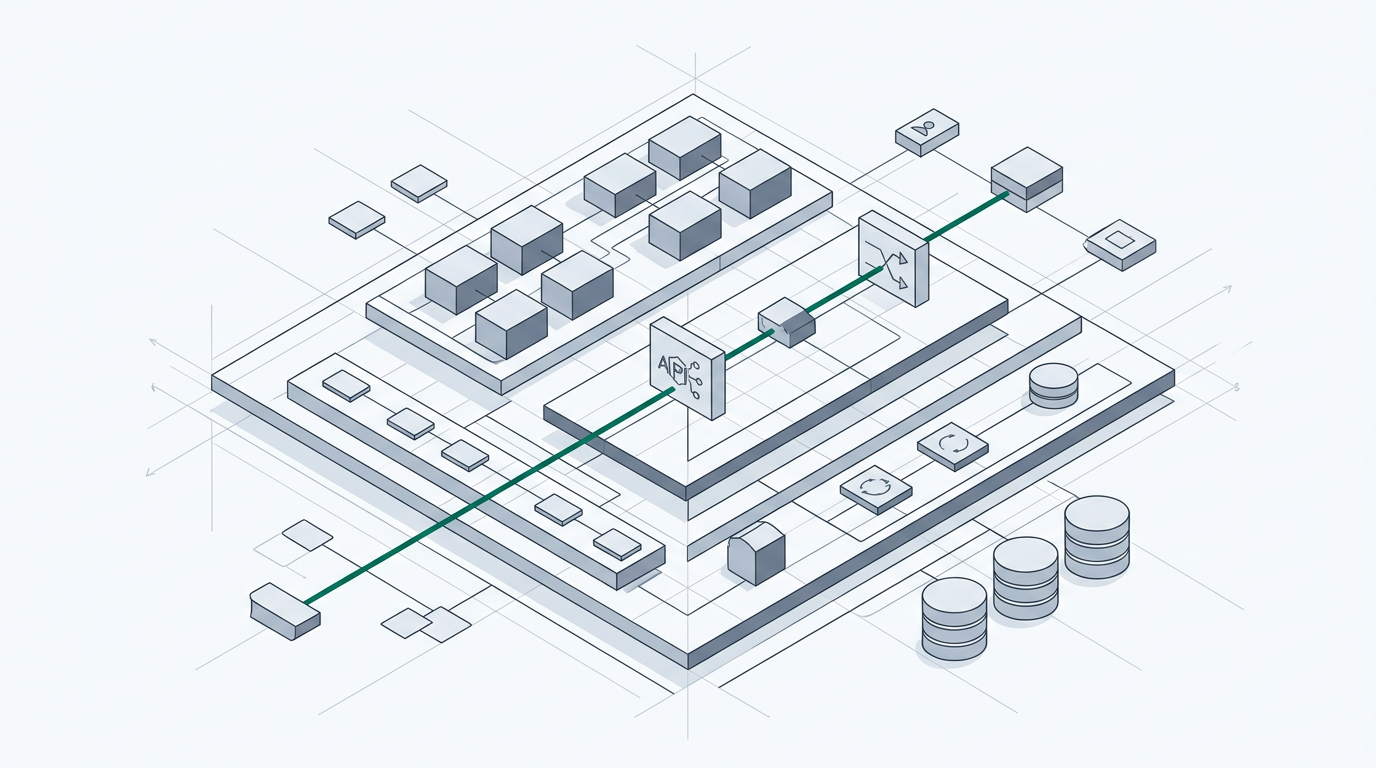
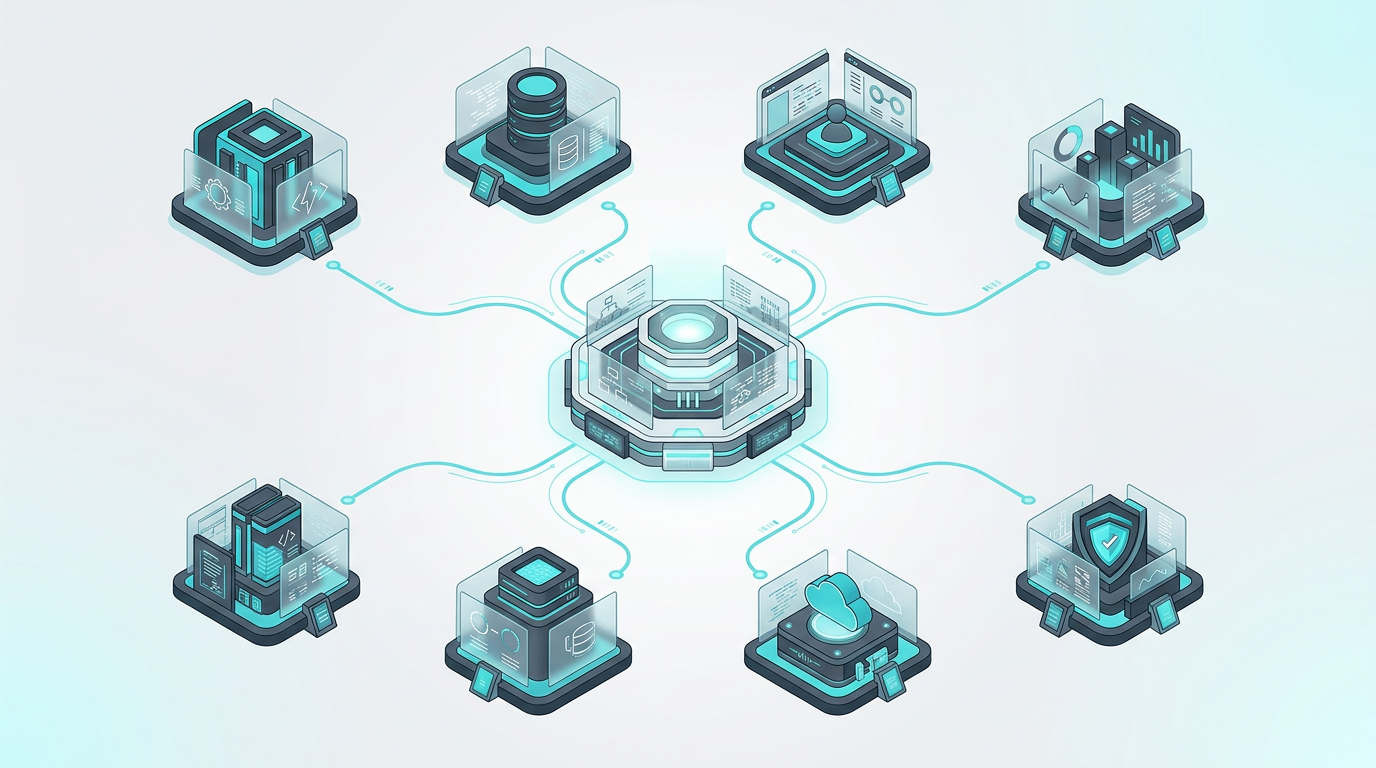
Typed tool surfaces and HTTP contracts (HTTP契約) that connect LLMs (大規模言語モデル) and workflows to warehouses, CRMs, support stacks, and internal APIs—governed access, least privilege (最小権限), and replay-friendly execution where MCP (モデル文脈プロトコル) or equivalent shortens time-to-integration.

n8n orchestration (オーケストレーション) & AI nodes

Graphs built for scale: sub-workflows, explicit error and DLQ branches (デッドレターキュー), queue mode–friendly execution (キューモード向け実行), streaming (ストリーミング) where UX (ユーザー体験) needs it, and native AI Agent nodes so deterministic steps and model calls share one monitored pipeline.

RAG (検索拡張生成) & knowledge operations

Ingestion pipelines (取り込みパイプライン), chunking (チャンク分割) and metadata design, hybrid and vector retrieval (ベクトル検索), refresh jobs, citations, scope limits, and redaction—so answers stay current, attributable, and defensible in regulated or customer-facing channels.

Observability (可観測性), evals (評価) & safety

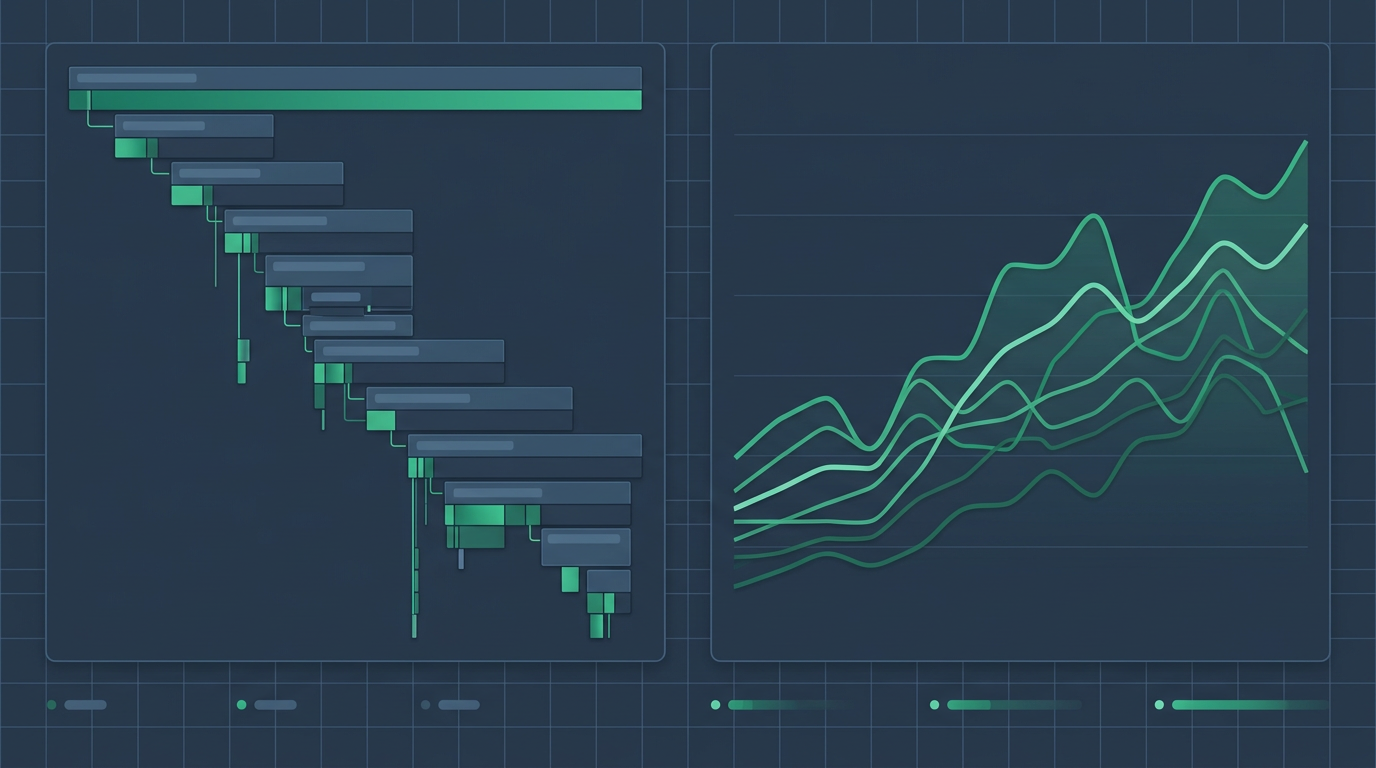
End-to-end traces (分散トレース), prompt and graph versioning, token and latency SLOs (サービスレベル目標), PII handling (個人情報の取り扱い), and audit-ready logs—so AI and automation ship with the same operational bar as the rest of your stack.

Product surfaces & internal tooling

Next.js-grade operator UIs on top of your automations: review queues, approvals, admin consoles, and customer portals that expose overrides, annotations, and replay without forcing teams into raw workflow JSON.

Operating model

Production bar for AI, workflows, and product

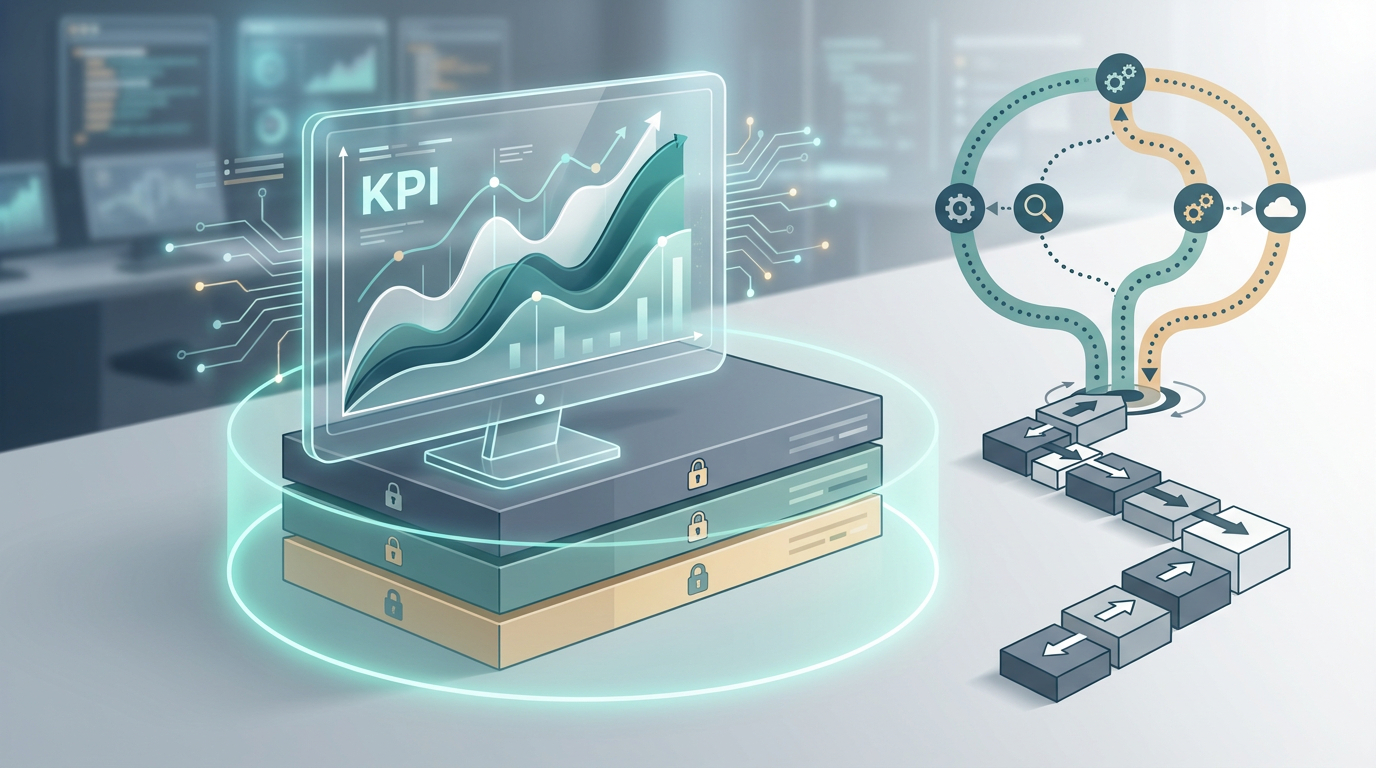
SLO (サービスレベル目標)-minded delivery: KPI (重要業績評価指標)-linked scope, failure-mode–aware automation (障害モードを意識した自動化), traceable model and graph changes, and one squad accountable from UI through integration contracts (統合契約・インターフェース).

KPI-anchored scope (KPIに紐づくスコープ)

Engagements map to metrics you already instrument—MTTR (平均修復時間), lead velocity, cost-to-serve, cycle time—so agent and n8n work is justified by production signals, not narrative alone.

2026-shaped systems design

RAG (検索拡張生成) with eval harnesses (評価ハーネス), MCP-style tools, queue-aware n8n, and versioned prompts/graphs: architectures your platform org can trace, diff, and operate under real concurrency and failure modes.

Failure-mode–first automation

Idempotency keys (冪等性キー), bounded retries (上限付き再試行), poison-message handling (毒メッセージ処理), and crisp boundaries between orchestration (オーケストレーション), domain services, and persistence—so graphs degrade predictably when load and edge cases spike.

Single thread: UX (ユーザー体験) ↔ integrations

One accountable squad ships operator UI and the glue layer together—tighter feedback loops from first tool spec to a workflow your team runs daily without ping-pong across vendors.

Proceed

Harden your AI and automation footprint (AI・自動化の本番耐性)

We partner on agentic systems (エージェント型システム), retrieval pipelines (検索パイプライン), MCP-style integrations (MCP型統合), and n8n operations—with evals (評価), tracing (トレース), and release hygiene (リリース衛生) your platform org expects.

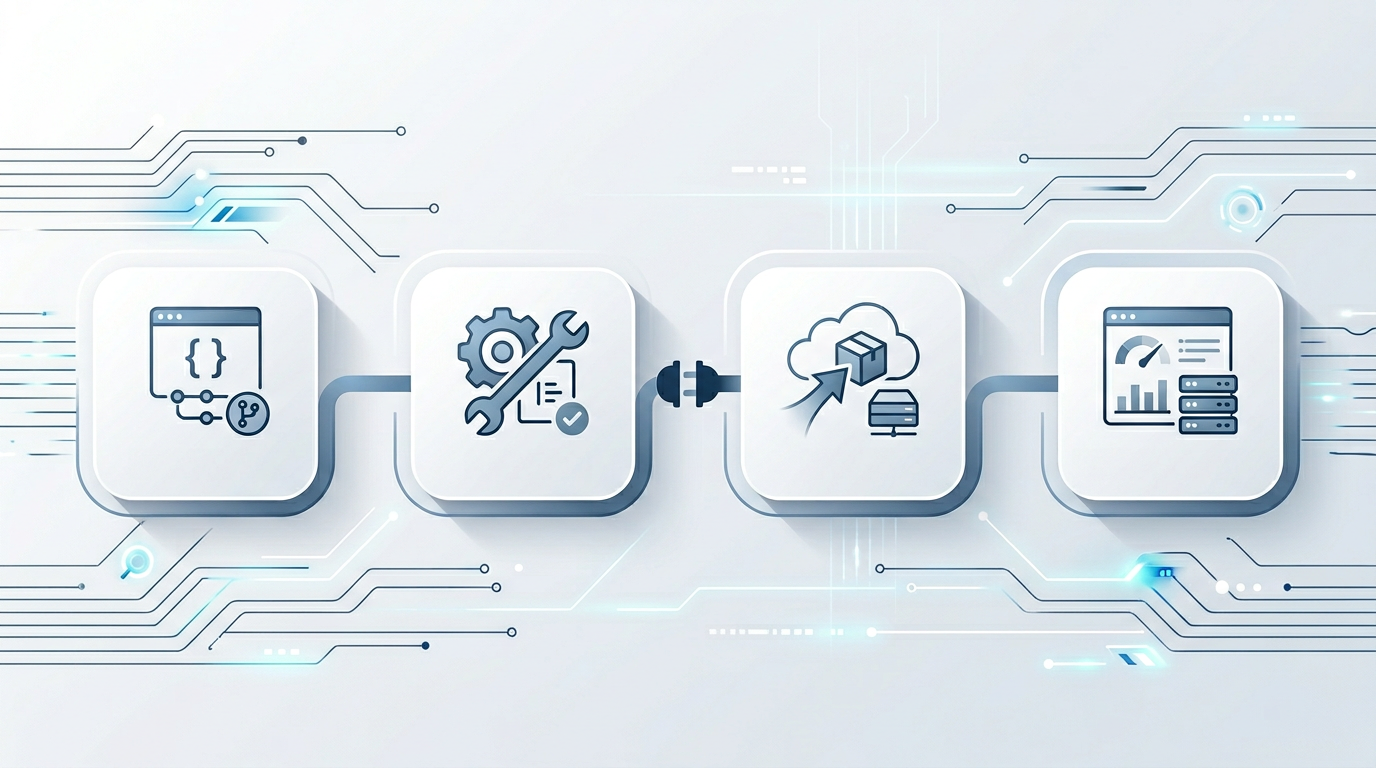
Engagement lifecycle

Discovery through operated systems

Structured phases—risk framing (リスクの枠組み), written contracts (契約・仕様の文書化), staged integration (段階的統合), and trace-driven iteration (トレース駆動の改善)—so delivery stays aligned with platform and security stakeholders.

Discovery & risk framing
01

Discovery & risk framing

We align on outcomes, data classes (データ分類), compliance boundaries (コンプライアンス境界), and the split between exploratory agents (探索的エージェント) and deterministic workflow steps (決定論的ワークフロー)—before a line of integration code lands.

Architecture & contracts
02

Architecture & contracts

We document retrieval strategy (検索戦略), tool schemas (ツールスキーマ), workflow topology (トポロジー), SLOs (サービスレベル目標), and how you will measure quality, cost, and reliability once traffic is real.

Build, integrate & stage
03

Build, integrate & stage

We ship UIs, n8n graphs, model routes, and connectors behind feature flags (フィーチャーフラグ), synthetic and sampled test data, and rollback-friendly release paths.

Operate, observe & iterate
04

Operate, observe & iterate

Cutover (本番切替) includes dashboards and alerts; improvements are driven by traces (トレース), eval scores (評価スコア), and operator feedback—not ad-hoc prompt edits in production.

Reference

FAQ: production patterns

How we think about RAG (検索拡張生成) at scale, agent vs. workflow boundaries (エージェントとワークフローの境界), n8n reliability, LLM (大規模言語モデル) maintainability inside graphs, observability (可観測性), security posture (セキュリティ体制), and operator software (運用者向けソフトウェア).

Tap a question to expand.

Retrieval is treated as a data product: connectors, chunking (チャンク分割) and metadata, hybrid or dense search only where ROI (投資対効果) is clear, staleness detection and refresh jobs, and answers constrained to cited context. We run held-out eval sets, track precision/recall proxies and refusal rates in prod, and gate customer-facing rollout behind scope limits, policy prompts, and PII redaction (個人情報のマスキング).

Ambiguous or exploratory work gets tool-augmented agent loops with budgets and timeouts; money-moving, provisioning, SLA (サービスレベル合意)-critical routing, and regulated steps live in explicit graphs with typed I/O and idempotency keys (冪等性キー). MCP-style exposure speeds integration, but HITL gates (人によるゲート) and mutation guards prevent silent changes to authoritative state.

Composable sub-workflows, dedicated error/DLQ paths (デッドレターキュー) for poison messages, queue mode (キューモード) and horizontal workers when throughput or long jobs require it, secrets via n8n or your vault, execution records suitable for replay, and alerting on failure rate, p95 latency, and queue depth—not binary “green” checks.

Orchestration (オーケストレーション: triggers, branching, retries, mapping) stays in the graph; model policy lives in versioned prompts, optional structured outputs (構造化出力), and explicit schemas for tools and HTTP steps. Streaming (ストリーミング) when the UX demands it; batching otherwise for simpler retries, caching, and cost attribution.

Correlated request IDs across workflows and model calls, token and latency dashboards by route, escalation and task-success KPIs (重要業績評価指標), redacted failure payloads for n8n replays, concurrency caps aligned with provider limits, and staged rollouts—shadow, canary (カナリア), or cohort-based—when changes touch customer-visible behavior.

Data-flow maps across CRM, tickets, warehouse, and model vendors; subprocessor and retention alignment; regional endpoints or self-hosted workflow/inference where policy requires it. Written controls for encryption, RBAC (ロールベースアクセス制御), audit logs, and non-use of customer content for training unless contractually allowed.

Yes—review queues, approvals, admin consoles, and external portals so teams override, annotate, and replay runs without touching the canvas. Those surfaces often close the loop into eval labels and improved retrieval or prompt versions.

Engage

Technical discovery session (技術ディスカバリー)

Reserve a slot or write below—we’ll walk current stack (技術スタック), data boundaries (データ境界), workflow volume, and where agentic (エージェント型) vs. deterministic (決定論的) design fits your roadmap.

Open calendar

25–30 min · Video or voice · Timezone-aware scheduling

or email

Written inquiry

Composes in your mail app to support@sohuji.com

Uses your default mail client; nothing is stored on this page.